Fresno lives at the meeting point of orchards, canals, stucco suburban buildouts, and older neighborhoods with flood‑irrigated lawns. That mix is good for grapes and almonds, and it is equally welcoming to rodents, cockroaches, and ants. Add long hot summers, mild winters, and irrigation that keeps pockets of moisture around year‑round, and you have the perfect setting for pests that never really take a season off. Integrated Pest Management, or IPM, is the approach that fits this landscape. Instead of blasting everything with chemicals and crossing your fingers, IPM treats pest control as a process, not a one‑time event. It emphasizes prevention, inspection, targeted action, and verification. The goal is simple: fewer pests with less risk and better long‑term control.
I have worked across newer developments north of Herndon and older homes near the Tower District, and the pattern holds. The homes that stay pest‑stable almost always follow IPM principles, whether the homeowners know the term or not. They seal, they clean, they monitor, and they use products sparingly and strategically. When they do call a pro, they ask the right questions and expect documentation. That is IPM at work.
The Fresno context: why IPM matters here
Hot dry days drive pests toward shade and water. Fresno’s irrigation habits and landscape plantings create relief zones: valve boxes, drip emitters, mulch beds, air conditioner pads, and the north side of houses that sees less sun. In apartments with swamp coolers, I have pulled mouse nests from the framing because the units sweat during temperature swings and give rodents moisture and fibers to work with. In homes with raised foundations, the crawlspace vents pull in cool evening air and, with it, the scent trails that rodents follow along fence lines and hedgerows.
This backdrop shapes control strategies. You cannot spray your way out of a roof rat problem that starts in a palm tree frond skirt two houses down. You also will not win a German cockroach fight if the shared trash corral behind the fourplex lives in a cloud of spilled grease. IPM acknowledges that habitat and access are half the battle. The Fresno way is to tune the habitat while using products where they do the most good and least harm.
What IPM actually looks like
The phrase gets tossed around, but IPM is not a brand. It is a sequence. First, identify the pest. Second, measure the problem. Third, change conditions to make life hard for the pest. Fourth, deploy the least risky control that will work. Fifth, verify results and adjust. In practice, that means the pro from pest control Fresno you hire should spend more time looking and talking than spraying during the first visit. If they jump straight to a perimeter blast, you are paying for one‑size‑fits‑all.
I carry a bright inspection light, a hand mirror, 1/4‑inch hardware cloth samples, and a grease pencil. The light shows droppings, rub marks, and harborages. The mirror finds gaps under siding lip or behind a dishwasher toe‑kick. The hardware cloth is a reminder and a measuring tool, because rats can compress and get through anything half an inch and sometimes a hair smaller, while mice exploit holes as small as a dime. The grease pencil marks precise spots for rodent proofing so the homeowner, a handyman, or our exclusion services team knows where to focus.
Rodents: Fresno’s most persistent guests
Roof rats dominate the north Fresno corridor and anywhere near citrus, oleander, or mature palms. They travel along overhead lines and fence tops, and they can launch six to eight feet horizontally. Norway rats appear in older commercial strips and some farm‑adjacent areas where burrows undermine slab edges. House mice pop up everywhere, especially in garage storage and kitchen voids.
The call often starts with noise in the attic, fruit gnawed from the top down, or droppings on the water heater platform. Rodent control Fresno is less about poison and more about patterns. You look for entry points at the roofline where the stucco meets the fascia, gaps around utility penetrations, and the triangle void at the garage door corners where the rubber seal sags. If I can stick a pencil into an opening, I assume a mouse can get in. If I can fit my thumb, roof rats will try.
Attics in Fresno get hot, easily 120 to 140 degrees in August. Rodents still nest there because the fiberglass holds scent and stays dry. That heat matters for attic rodent cleanup. Disturbing contaminated insulation on a triple‑digit day without proper respirators, containment, and a plan for staged removal is asking for trouble. Good rat removal services schedule early morning tear‑outs, keep the attic hatch sealed between trips, and treat the area with a disinfectant labeled for rodent contamination before and after insulation removal. They also photograph every stage so you can see what was done.
Evidence first: how inspections drive results
A strong rodent inspection Fresno starts outside and ends in the attic. You map food, water, shelter, and travel. Fruit trees within 20 feet of the eaves tell you to check the roofline. A dog bowl full of kibble near a back slider explains nightly mouse visits. An irrigation leak that keeps soil wet under a foundation vent invites burrowing under a sill. At night, I sometimes use a thermal camera on soffits and around garage headers to spot warm bodies or active runs. You do not need fancy gear to do it right, but you do need patience.
Inside, pull the range and check the wall gap. Look behind the fridge for droppings and grease trails. Open the sink cabinet and inspect where the pipes enter the wall, because those rough saw cuts are often big enough for a mouse to pass through. In the garage, tap the weatherstrip. If it flakes or shows crescent‑shaped nibble marks at the corners, replace it. Most of what makes a mouse exterminator near me effective is not the bait choice. It is the ability to read these signs and prioritize the fixes that break the cycle in a week, not a month.
Exclusion: the boring step that beats bait every time
Rodent proofing is not glamorous, but it is the backbone of rodent control Fresno CA. Seal the holes, and you control the outcome. Skip it, and you buy a subscription to ongoing baiting and trap checks. Quality exclusion services match materials to the opening and the pest. Expanding foam alone is a waste. Rodents chew it like popcorn. Combine copper mesh or stainless wool as a backer with an exterior‑grade sealant, and you have a bite‑resistant plug. Use 1/4‑inch hardware cloth on foundation vents, secured with screws and washers, not staples. Cap utility line penetrations with properly sized rubber grommets or metal escutcheons rather than a blob of caulk.
I once sealed a 3/4‑inch conduit gap behind a detached garage. The homeowner had set traps for months with mixed results. Two hours of exclusion work and a dozen trap placements later, we cleared four mice in a week and had no activity for six months. The difference came from closing the highway, not catching cars.
Trapping, baiting, and when to say no
Traps give feedback. Baits do not, at least not immediately. In Fresno neighborhoods with heavy raptor traffic and pets, I lean toward traps inside structures and fully tamper‑resistant bait stations outdoors when needed. For rat control Fresno CA, snap traps with offset jaws along rub lines beat random placement. Gloved handling, pre‑baiting for one night without setting, then arming the second night lands more hits. For mice control in kitchens, low‑profile multi‑catch units tuck under appliances without snagging.
Anticoagulant baits work, but second‑generation compounds pose secondary risks for owls and coyotes that eat poisoned rodents. Fresno’s ag fringe brings wildlife into backyards more often than people realize. First‑generation baits, cholecalciferol, or bromethalin used within stations under a structured program can reduce those risks. The trade‑off is slower control or a narrower label. A seasoned exterminator Fresno CA will explain what they are placing and why, along with where, so you can make an informed decision.

Attic rodent cleanup: what good looks like
If rodents have nested in insulation, cleanup is not just about smell. It is about pathogen reduction and removing pheromone trails. Professionals start with containment at the access point, then vacuum with a HEPA unit rated for insulation removal, bag and seal waste, and wipe structural members with a disinfectant that lists hantavirus and similar organisms on the label. Enzymatic odor neutralizers help but do not replace cleaning. In Fresno heat, timing matters for worker safety and for controlling airborne dust. After removal, an antimicrobial treatment on the sheathing and joists reduces residual odor and discourages re‑nesting. Fresh batt or blown‑in insulation follows, and if you are smart, you add rodent barrier at the eaves while the space is exposed.
Beyond rodents: insects that ride Fresno’s climate
German cockroaches thrive in multifamily kitchens with shared walls and warm utility chases. The clue is oothecae behind drawer hardware or tiny nymphs clustering under a coffee maker base. IPM favors gel baits placed in tight lines along hinge recesses, not broadcast sprays that repel and scatter. Success hinges on sanitation. I have watched a prep station wipeout undo a week’s progress in one evening. In hot months, Turkestan and American cockroaches surge from landscape areas and storm drains. For these, exterior habitat reduction and crack sealing outperform interior chemical work.
Ants in Fresno alternate between Argentine supercolonies and seasonal invaders like odorous house ants. Perimeter sprays can make them worse by creating repellency and budding new colonies. Baits with the right carbohydrate to protein balance during the current season will do more. In late spring, when aphids produce honeydew, sugar baits win. During nest growth, a protein‑based bait can move the needle. The lesson is consistent with IPM: identify, measure, target, and verify.
Moisture, irrigation, and landscaping: the hidden drivers
Over‑irrigation keeps soil at the foundation wet and attracts pests that like humid microclimates. Turf that touches stucco holds irrigation overspray that rots the weep screed. Mulch piled above the slab line bridges entry into wall voids. I have traced ant highways straight up a mulch slope into a weep hole. Drip lines that leak near valve boxes collect roaches, earwigs, and rodents that chew for water during extreme heat. If you can keep plantings trimmed six to eight inches off the structure and maintain a bare strip or rock mulch against the foundation, you break many pest pathways.
Trash management matters more than people think. In neighborhoods with every‑other‑week recycling pickups, overflow cardboard becomes cockroach harborage. Break boxes down, keep bins closed, and wash the bin quarterly. One landlord who budgeted twenty minutes per building per month for enclosure cleaning saw pest calls drop by half across six properties.
IPM at home: the homeowner’s role
When you hire pest control, the partnership works best if you set the stage. Clear storage from walls in the garage so a tech can place and service traps. Fix door sweeps that show daylight. Repair a slow sink leak that wicks into particleboard. If you want rodent control Fresno that sticks, you will get more from exclusion and habit shifts than any chemical.
Here is a short checklist that helps almost every Fresno home, whether you do it yourself or line up a professional.
- Trim tree limbs back at least six feet from the roofline and thin dense hedges where rats like to nest. Tie or skirt palm fronds that touch utility lines. Replace worn garage door bottom seals and add rodent guards on the side tracks to close the triangular gaps at the corners. Seal utility penetrations with copper mesh backed by polyurethane sealant, and screen foundation vents with 1/4‑inch hardware cloth secured with screws. Adjust irrigation to avoid puddling near the foundation, and maintain a vegetation‑free border of rock or bare soil against the house. Store pet food and bird seed in lidded metal containers, elevate them off the floor, and clean under storage bins monthly.
If you do nothing else, those steps cut pest pressure across the board. They also give your technician better odds and a faster path to control.
Choosing the right professional in Fresno
Not all providers operate the same way. For pest control Fresno that aligns with IPM, ask how they inspect, what they seal, and how they measure results. Look for written findings with photos, a prioritized list of exclusion items, and clear language about products and placements. If you need rat removal services, ask whether attic sanitation and insulation replacement are in‑house or subcontracted, and how they contain debris and protect living spaces. For a rodent inspection Fresno, time spent is a tell. A ten‑minute glance from the driveway rarely uncovers the four holes that matter.
When searching phrases like mouse exterminator near me, go beyond the first ad. Read reviews for mentions of rodent proofing or exclusion services, not just “they sprayed and left.” If a provider promises zero rodents after one visit without sealing, keep scrolling. Sustainable rodent control Fresno CA rests on the combination of exclusion, monitoring, and targeted removals, not magic dust.
Measuring success the IPM way
You cannot manage what you do not measure. Sticky monitors for insects tucked behind appliances and in utility rooms give you a baseline and a trend line. For rodents, count trap placements, hits, and reset intervals. Document droppings, rub marks, and gnaw that appear or disappear. In a typical Fresno single‑family home with a light roof rat incursion, you might see six to twelve exterior traps baited in locked stations, four to eight interior snap traps in protected placements, and three to six monitoring points. After exclusion, activity should drop sharply within two weeks. If not, revisit the inspection and find the miss.

Weather shifts matter. The first cold snap after a heat wave often drives new entries. Schedule a quick perimeter walk and touch up seals before those swings. After heavy winds, check ridge vents and loose soffit screens. IPM is not set‑and‑forget. It is set, check, and refine.
Safety, labels, and the law
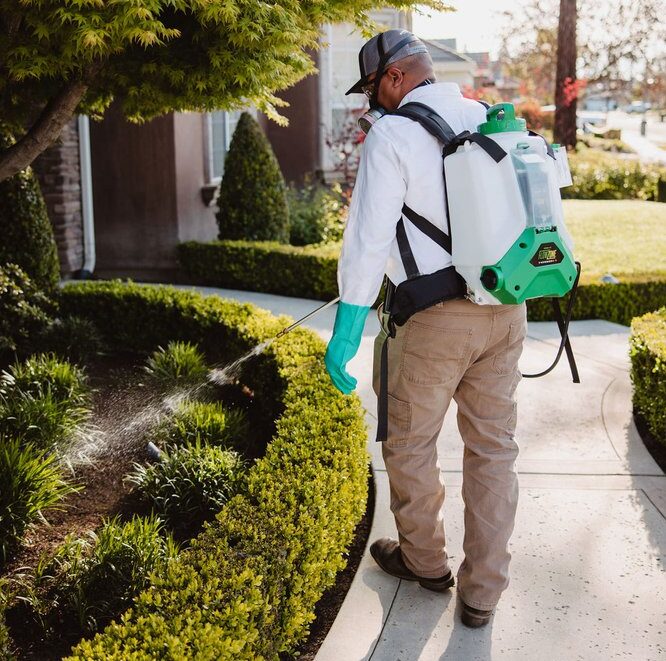
Products have labels for a reason. In California, labels are the law. Professionals in exterminator Fresno CA roles should be licensed and should leave service tickets that list every product used, with EPA numbers and amounts. If you have pets, kids, or sensitive individuals at home, insist on placements that are inaccessible and on choices that minimize risk while maintaining control. There is almost always a way to adjust the program. For example, with mice control in a single‑story ranch, I prefer interior traps and exterior monitoring stations with low‑risk baits only if justified by activity and properly secured. For ants, I avoid pyrethroid perimeter sprays near water features and focus on baits and targeted microinjections into cracks where trails run.
Cost and value: what to expect in Fresno
Prices vary by home size, pest pressure, and scope. A thorough rodent proofing on a 1,800‑square‑foot single‑story can run from a few hundred dollars for basic sealing up to a few thousand if soffits, roof returns, and attic barriers need work. Attic rodent cleanup with insulation replacement ranges widely, often from the low thousands to higher if there is heavy contamination, difficult access, or if you upgrade insulation values. Recurring pest control service in Fresno, focused on monitoring plus targeted treatments, often sits in the 40 to 80 dollars per month range for a standard plan, with quarterly visits common. The value emerges in fewer emergencies and less downtime. If you track the calls you do not have to make, IPM tends to pay for itself.
When to escalate and when to hold your fire
Not every sighting demands treatment. One ant scout on a counter after a storm is not the same as a trail pulsing from the window trim. A single mouse dropping on a garage shelf is different from fresh rub marks along a baseboard and the sound of scurrying at dusk. IPM respects thresholds. Set your own: for example, zero tolerance for rodents inside living spaces, but trust monitors for exterior insect counts before applying products. If counts cross your threshold or if you see structural risk, act. If they stay low, maintain sanitation and exclusion and keep watching.
A Fresno‑tested rhythm
Every property that stays pest‑stable finds a rhythm. In our climate, that rhythm usually means spring exclusion touchups, early summer irrigation checks, late summer attic assessments, and fall perimeter tightening before cool nights drive pests inward. Tie those to existing maintenance like HVAC service or gutter cleaning, and you will remember to do them. On service routes, the homes that adopt that rodent inspection Fresno cadence and hold partners accountable rarely need dramatic interventions.
IPM is not a slogan. It is a map. In Fresno, where heat, irrigation, and mixed land uses press on homes from all sides, that map keeps you from wandering from one emergency to the next. Whether you do the work yourself or bring in pest control Fresno professionals, follow the steps, demand evidence, and invest most of your energy in the quiet things that block access. The payoff is a house that feels calm, with fewer surprises and fewer late‑night scrambles after noises in the attic.
Valley Integrated Pest Control 3116 N Carriage Ave, Fresno, CA 93727 (559) 307-0612